


How to Prevent Hantavirus: Safety Tips to Reduce Infection Risk
Hantavirus is a rare but serious disease that can spread through contact with infected rodents and their droppings, urine, or saliva. Health experts say prevention mainly focuses on avoiding exposure to rodents, especially in homes, storage areas, cabins, farms, and outdoor environments where rodents may live.
The virus can cause severe respiratory illness and, in some cases, can become life-threatening. While infections are uncommon, public health officials recommend taking precautions to lower the risk of exposure.
1. Avoid Contact With Rodents
The most effective way to prevent hantavirus is to reduce exposure to rodents such as rats and mice. Rodents can carry the virus without appearing sick.
Experts recommend:
- Sealing holes and gaps in homes or buildings to prevent rodents from entering
- Storing food in tightly sealed containers
- Keeping garbage covered and disposing of waste regularly
- Removing clutter, wood piles, and tall grass around homes where rodents may hide
2. Clean Rodent Areas Safely
Sweeping or vacuuming rodent droppings can release virus particles into the air, increasing the risk of infection.
Health authorities advise:
- Wearing gloves and, if possible, a mask when cleaning rodent-infested areas
- Spraying droppings and contaminated surfaces with disinfectant before cleaning
- Using paper towels to carefully remove waste
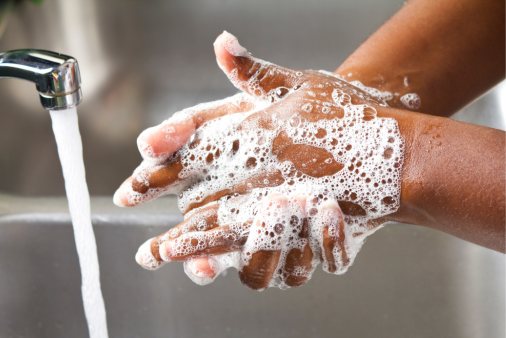
- Washing hands thoroughly with soap and water afterward
3. Be Careful in Cabins, Campsites, and Storage Spaces
People spending time in cabins, sheds, barns, or campsites should inspect the area for signs of rodents before staying overnight.
To reduce risk:
- Air out closed spaces for at least 30 minutes before entering
- Avoid sleeping directly on the ground outdoors
- Keep food sealed during camping trips
- Clean sleeping areas carefully if rodent activity is suspected
4. Protect Yourself During Outdoor Activities
Hantavirus cases are sometimes linked to hiking, farming, or outdoor work in areas with rodent populations.
Experts recommend:
- Avoiding contact with wild rodents or their nests
- Wearing protective gear when handling materials in dusty or enclosed areas
- Keeping campsites clean and free of food scraps
Health agencies continue to stress that hantavirus infections remain rare, but awareness and prevention are important, especially in areas where rodent activity is common.
Maintaining clean living spaces, safely handling rodent contamination, and reducing exposure to rodents are considered the best ways to prevent infection.
https://dalmartv.com/early-signs-of-hantavirus
Follow Dalmar TV on Facebook for the Latest News
