


Kibibi, a pioneering cheetah at Columbus Zoo, has died at 12. Learn about her groundbreaking role in conservation, IVF success, and lasting legacy.
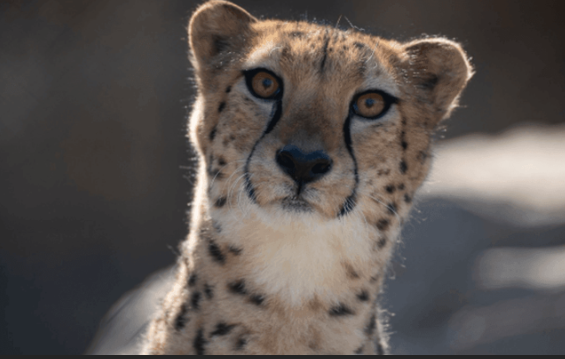
Columbus Zoo Cheetah Kibibi Dies at 12
A beloved cheetah known for her extraordinary contributions to wildlife conservation at the Columbus Zoo and Aquarium is being honored following her passing.
Kibibi, affectionately called Bibi, was among the earliest animals introduced to the zoo’s Heart of Africa exhibit. She also played a key role in the zoo’s well-known cheetah run program, a seasonal attraction where the cats demonstrate their incredible speed by chasing a mechanical lure.
According to zoo officials, Bibi arrived in Columbus 12 years ago as a one-week-old cub alongside her sister, Zemba. The pair were raised with a companion dog, Coby, a yellow Labrador retriever, forming a unique bond that lasted until Coby’s death in 2021.
Bibi made history six years ago as the first biological mother of cheetahs conceived through in vitro fertilization and carried by a surrogate. Her cubs, Dave and Adrienne, were born in February 2020 to a surrogate named Izzy. Through hormone treatments and egg collection, Bibi played a critical role in advancing cheetah conservation efforts.
Recently, animal care staff noticed a decline in Bibi’s appetite, prompting medical evaluations. Tests revealed kidney-related health issues in the 12-and-a-half-year-old cheetah. Despite intensive treatment, including regular IV fluids and continuous monitoring, her condition did not improve. In mid-April, the zoo made the difficult decision to humanely euthanize her.
Bibi’s impact will continue through her offspring and the zoo’s ongoing conservation initiatives. Her cubs, Dave and Adrienne, are expected to participate in the cheetah run program, which resumes on May 2.
Other cheetahs, including Debbie and Kesi, will also take part in the runs. Kesi, nearing 12 years old, is noted as both the oldest and fastest participant.
Kibibi’s legacy stands as a powerful example of the impact one animal can have on conservation, research, and public education.
Follow Dalmar TV on Facebook for the Latest News
