


Democrats and Republicans clash over the War Powers Act as the 60-day deadline in the Iran conflict raises constitutional questions, political tensions, and growing public opposition.
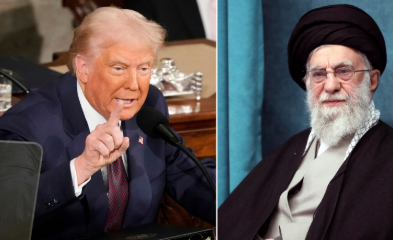
US War Powers Debate Intensifies Over Iran Conflict as 60-Day Deadline Sparks Political Clash
The political fight over authorizing U.S. military action against Iran has increasingly turned into a debate over definitions, as lawmakers argue about a key deadline set by a law dating back to the Vietnam era.
On Friday, the conflict reached the 60-day mark outlined in the 1973 War Powers Act — a significant milestone that Democrats are using to push for an immediate end to U.S. military involvement unless Congress formally approves the operation.
However, former President Donald Trump and Republican leaders dispute that requirement. They argue the situation never qualified as a “war,” and therefore does not require congressional authorization. They also point to the current ceasefire, claiming it effectively ended active combat before the 60-day limit was reached.
This dispute has reignited a long-standing constitutional debate over the balance of power between Congress and the president in matters of military force. The issue is expected to persist, especially as Democrats plan to repeatedly introduce war powers resolutions to force recorded votes and highlight Republican support for a conflict that is becoming increasingly unpopular among voters.
California Representative John Garamendi emphasized that the Constitution gives Congress as representatives of the people the authority to decide when the nation goes to war. He criticized Trump for lacking a clear long-term strategy for the conflict, including plans for stability, democratic transition in Iran, or regional de-escalation.
Garamendi is among several progressive Democrats who have introduced resolutions ahead of the 60-day deadline. Led by the Congressional Progressive Caucus, the strategy involves staggering these measures so they become eligible for votes at different times. This approach allows Democrats to continuously bring the issue to the House floor in the lead-up to the midterm elections.
Representative Jared Huffman said the goal is to maintain steady pressure until some Republicans break ranks and support limiting presidential war powers.
So far, Republican lawmakers have largely stood united in opposition. Multiple war powers resolutions in both the House and Senate have been blocked, with GOP leaders arguing that restricting U.S. military action during the conflict could embolden Iran and weaken national security.
House Speaker Mike Johnson noted that active combat operations have paused, with efforts now focused on negotiating peace. He expressed reluctance to interfere with ongoing diplomatic discussions.
Defense Secretary Pete Hegseth echoed that position, telling lawmakers that the ceasefire which began on April 7 should effectively pause the 60-day timeline outlined in the War Powers Act.
Trump further escalated the debate by calling the War Powers Act unconstitutional. In a letter to congressional leaders, he stated that hostilities between U.S. and Iranian forces had ended, removing the need for congressional involvement.
According to Trump, no direct military exchanges have occurred since early April, marking the conclusion of active conflict that began in late February. Still, he warned that Iran remains a potential threat and confirmed that U.S. forces will stay positioned in the region as a precaution.
Democrats strongly reject that interpretation. They argue the administration is violating the Constitution, which grants Congress the sole authority to declare war. Lawmakers also accuse Republicans of misinterpreting the War Powers Act, which was originally designed to limit presidential power, not expand it.
Under the law, presidents must notify Congress within 48 hours of deploying military forces and must withdraw them within 60 days unless lawmakers approve continued engagement. While Trump complied with the notification requirement, he has indicated no intention of withdrawing troops or seeking congressional authorization.
Follow Dalmar TV on Facebook for the Latest News
