


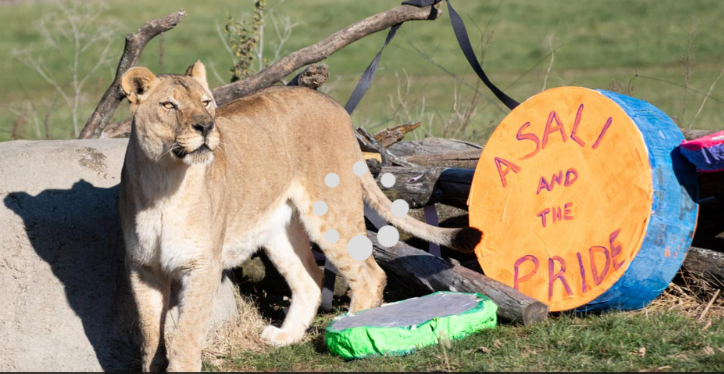
USDA Blames Columbus Zoo for Lion Attack after Door Failure
Columbus, Ohio — A tragic incident at the Columbus Zoo and Aquarium has drawn national attention after the U.S. Department of Agriculture (USDA) officially blamed the zoo for a fatal lion attack that occurred in April 2024. The attack, which led to the death of a lion named Asali and injuries to another lion, Roary, was the result of a malfunctioning door in the zoo’s Heart of Africa exhibit.
What Happened?
According to the USDA inspection report, the incident took place on the night of April 17, 2024, when a sliding door separating two groups of lions in their overnight holding enclosures failed. One of the female lions, Asali, known to be incompatible with the male lion, Roary, entered the same space due to the door’s structural failure.
By morning, zoo staff found all four lions together. Asali had suffered fatal injuries and had to be euthanized. Roary sustained minor bite wounds, while the two younger lionesses were unharmed.
What Caused the Door Failure?
The USDA determined that the failure was likely due to a manufactured window in the door, which created a weak point. Though all doors and locks are inspected daily, the failure occurred overnight, beyond regular monitoring hours.
Zoo officials emphasized that this was not caused by human error, and immediate corrective measures were taken.
“We determined that the window manufactured into the door likely created a structural weak point,” the zoo stated in a report.
How the Zoo Responded
In response, the Columbus Zoo inspected over 30 similar doors used for large carnivores and primates throughout the facility. Six doors in the lion building have already been replaced, while others are being reinforced with additional steel to improve safety and durability.
The zoo also notified the Association of Zoos and Aquariums (AZA) and the Zoological Association of America (ZAA). All three organizations, including the USDA, have conducted inspections at the zoo since 2022.
“Our goal is simple: If our experience can prevent even one similar incident elsewhere, we have a responsibility to speak up,” said Nicolle Gómez Racey, Director of Marketing and Communications.
Why the Public Was Not Immediately Informed
While the incident was quickly reported to regulatory bodies, it was not immediately shared with the public. Zoo officials explained they waited until they had full recommendations from the USDA and had implemented initial corrective actions.
“We don’t share the passing of every specific animal,” said Gomez Racey, though previous announcements have included the loss of other animals such as Shaggy the giraffe, Sugar Plum the reindeer, and Mara the Amur tiger.
Commitment to Safety
The zoo has reaffirmed its commitment to the highest standards of animal care and facility safety. Annual risk assessments are conducted, and the zoo continues to refine its protocols.
“As a trusted institution, we understand the importance of accountability and helping elevate safety standards across our profession,” the zoo said in a follow-up statement. “We continue to grieve the loss of Asali and are committed to ensuring this never happens again.”
Follow Dalmar TV on Facebook for the Latest News
