


The Obama Presidential Center Sparks Land Debate in Chicago
The Obama Presidential Center, which opened on Juneteenth, is facing renewed debate after introducing a permanent Indigenous land acknowledgment display on its campus in Chicago.
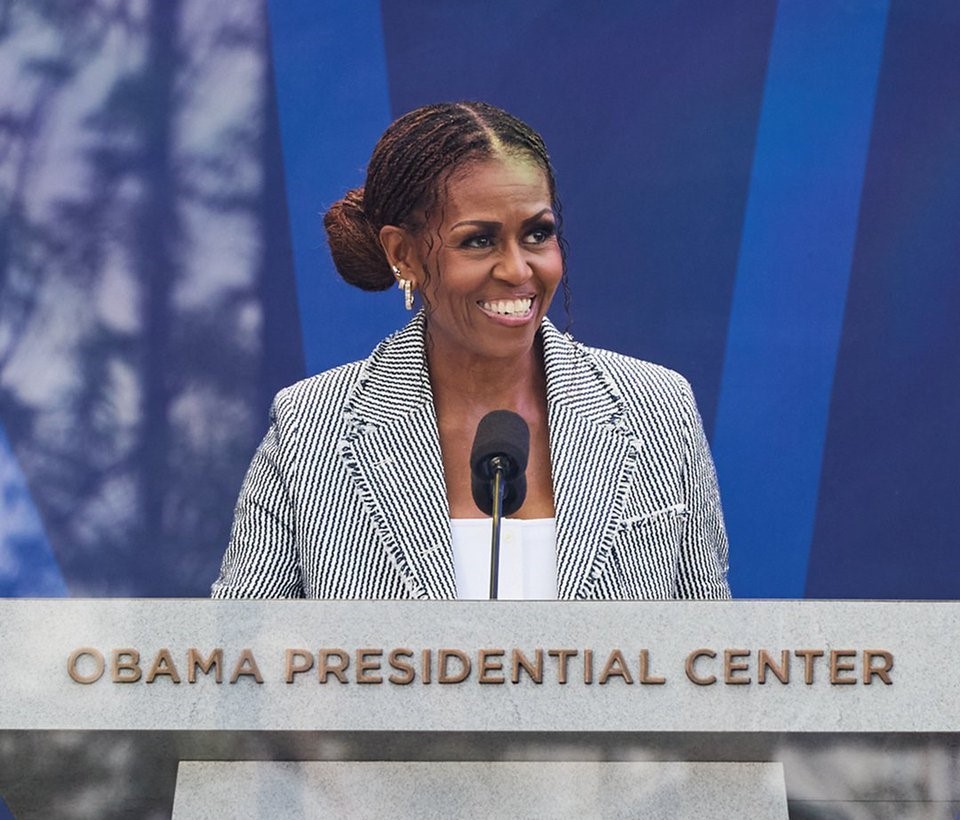
During the opening ceremony, Obama Foundation CEO Valerie Jarrett recognized the Native American tribes who originally lived on the land where the center now stands. This recognition is also featured permanently near the museum tower and the statue of former President Barack Obama.
The display states that the foundation honors Indigenous peoples who have lived and cared for the land for generations. It also mentions efforts by Native communities to address the impact of historical colonization and includes a quote from Barack Obama in 2009 acknowledging broken treaties and lost lands.
However, the land acknowledgment has sparked controversy.
Critics say it raises complicated questions because the Obama Presidential Center sits on public land in Jackson Park that was transferred to the Obama Foundation by the City of Chicago for $10 under a long-term lease agreement.
Some opponents argue that the land should be seen as public property belonging to taxpayers rather than focusing only on Indigenous land history. They also point out that the area was developed through major public works after the Great Chicago Fire.
The project has been controversial for years due to debates over the land transfer, rising construction costs estimated near $1 billion, and public spending on surrounding infrastructure.
Critics also say that a promised $470 million endowment fund meant to reduce taxpayer burden has not yet been fully delivered.
There are also concerns about economic promises tied to the project. The center was expected to boost business opportunities and support minority-owned contractors on Chicago’s South Side. However, reports claim that some subcontractors say they are still owed millions for their work.
As the Obama Presidential Center continues to open to the public, discussions around Indigenous land acknowledgment, public land use, and project accountability remain ongoing.