


Trump Defends Iran Memorandum of Understanding (MOU) at G7 Summit
President Donald Trump defended a newly announced memorandum of understanding (MOU) aimed at ending the conflict with Iran during remarks at the Group of Seven (G7) summit while emphasizing that the agreement is not a final peace deal and could unravel if Tehran fails to comply with its terms.
The preliminary agreement establishes a 60-day framework for renewed negotiations over Iran’s nuclear program, a central issue that contributed to military strikes carried out by the United States and Israel earlier this year. Trump also highlighted broad international support for the agreement, particularly because it could help stabilize global energy markets by reopening the Strait of Hormuz.
Here are five major takeaways from Trump’s comments.
1. Trump Says Iran Agreement Is Not Permanent
During a lengthy press conference, Trump repeatedly stressed that the memorandum is only a preliminary understanding and not a finalized agreement.
According to the president, the success of the arrangement depends entirely on Iran honoring both the written and unwritten commitments discussed during negotiations. He warned that military action remains an option if Tehran fails to meet expectations.
Trump stated that the agreement could collapse if Iran violates its commitments, underscoring that the memorandum serves as a starting point for broader negotiations rather than a permanent resolution.
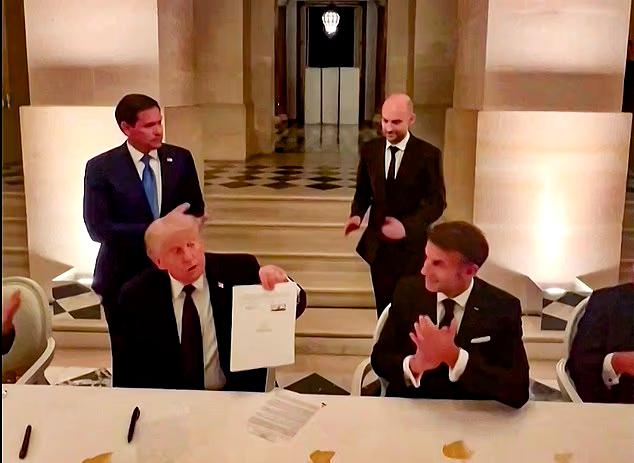
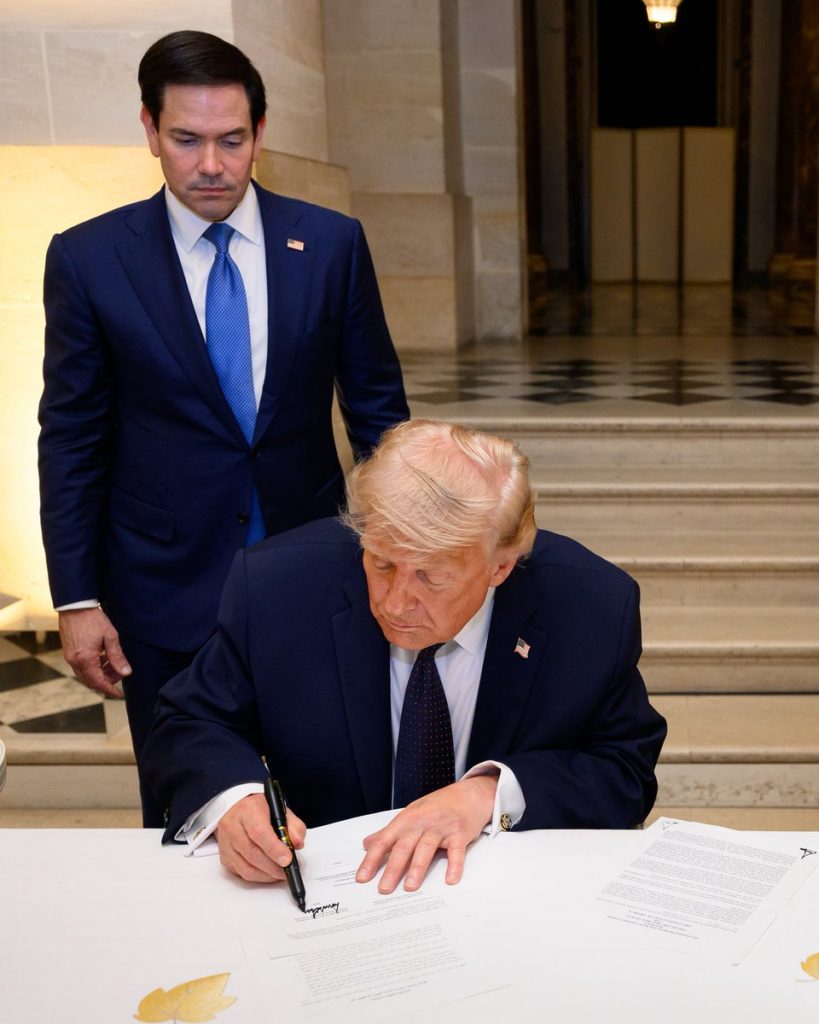
The president and Vice President JD Vance electronically signed the agreement on Sunday, with a formal signing ceremony potentially taking place later this week.
2. Trump Highlights Strong G7 Support for Ending the Conflict
Trump pointed to statements from fellow G7 leaders as evidence of international backing for efforts to end hostilities with Iran.
Several world leaders welcomed the agreement because of its potential impact on global energy supplies. The reopening of the Strait of Hormuz is particularly significant, as roughly one-fifth of the world’s oil shipments pass through the strategic waterway.
European nations and Japan have faced increased energy costs following disruptions in the region, making the restoration of maritime traffic a key priority.
Trump argued that continued military operations would have prolonged the closure of the strait and further strained global energy markets.
When asked about criticism that U.S. military actions may have violated international law, Trump dismissed the concerns, saying leaders he spoke with were more focused on the perceived threat posed by Iran and the benefits of de-escalation.
3. Trump Defends Allowing Iran to Retain Some Missile Capabilities
Another notable aspect of Trump’s remarks involved Iran’s ballistic missile arsenal.
The president argued that completely eliminating Iran’s missile capabilities would be unrealistic, particularly when neighboring countries such as Israel and Saudi Arabia maintain their own missile programs.
Trump suggested that missiles are not the primary concern in current negotiations, emphasizing that the focus remains on preventing nuclear weapons development.
Iranian officials have consistently identified their missile program as a non-negotiable element of national defense during diplomatic discussions. The president also claimed that a large percentage of Iran’s missile inventory had already been degraded during recent military operations.
4. Trump Reveals Differences With Netanyahu Over Regional Strategy
Trump also acknowledged disagreements with Israeli Prime Minister Benjamin Netanyahu regarding military operations in Lebanon and the broader regional response to Iranian-backed groups.
While reaffirming support for Israel’s right to defend itself, Trump suggested that Israel could adopt a more restrained approach when responding to attacks from Hezbollah, particularly in situations where damage or casualties are limited.
The comments highlighted differing perspectives between Washington and Jerusalem as both countries navigate the aftermath of the Iran conflict.
Trump’s tone toward Netanyahu appeared more measured than earlier in the week, when tensions reportedly emerged over escalating military exchanges involving Israel, Hezbollah, and Iran.
5. Trump Warns of Risks to Global Oil Supplies
A major theme of Trump’s defense of the agreement centered on energy security.
The president argued that keeping the Strait of Hormuz open is critical to preventing disruptions in global oil supplies. He warned that extended conflict could have significantly impacted available reserves and triggered major economic instability worldwide.
Trump described the agreement as a practical solution that allows commercial shipping to resume while creating an opportunity for diplomatic negotiations to move forward.
His comments come as energy analysts continue monitoring global supply levels amid ongoing geopolitical tensions. Recent warnings from international energy organizations have highlighted concerns that oil demand could outpace supply in the coming months.