


Strait of Hormuz Reopens After Conflict: Global Oil Trade Slowly Resumes
The Strait of Hormuz has long been more than just a strategic waterway. It is a vital artery for global energy supplies, a geopolitical pressure point, and a region that has recently captured worldwide attention.
Since the beginning of the conflict between Iran, the United States, and Israel earlier this year, the narrow passage has become one of the most closely watched locations on the planet. Following the Islamic Revolutionary Guard Corps’ declaration that the strait was closed, commercial shipping traffic largely came to a halt. Vessels that attempted to navigate the route faced significant risks, with reports of ships being attacked and damaged. The disruption sent shockwaves through global energy markets, contributing to rising fuel and gas prices worldwide.
At its narrowest point, the Strait of Hormuz measures just 21 miles across, yet it serves as one of the world’s most important shipping corridors. Since military operations began on February 28, the region has witnessed heightened tensions, military activity, and intense international debate over global security and energy stability.
Popular coastal destinations that would normally be crowded during the summer season appeared nearly deserted. Hotels and resorts sat empty, while critical infrastructure along the shoreline remained under constant surveillance. Radar systems, military checkpoints, and air defense installations served as visible reminders that this was one of the most sensitive locations in the world.
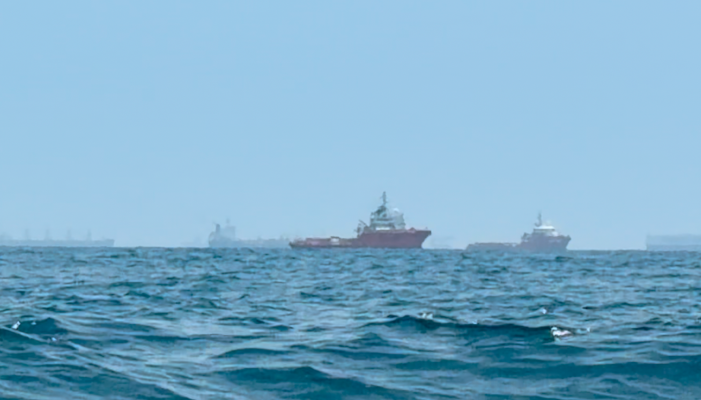
Roughly 20% of global oil shipments move through the Strait of Hormuz, and much of that traffic had been frozen in place. More than 500 vessels, including supertankers and liquefied natural gas carriers from countries around the globe, were waiting on either side of the passage for clearance to proceed.
The International Energy Agency described the situation as one of the most significant energy disruptions ever recorded. Seeing hundreds of ships anchored and waiting reinforced the magnitude of the crisis and its impact on international trade.
A new agreement signed in France this week aims to restore normal operations. President Donald Trump announced that the Strait of Hormuz would officially reopen following the signing of a memorandum of understanding with Iran.
Despite the announcement, conditions on the water suggested a more cautious reality. Many shipping companies remained hesitant to move forward immediately. Concerns persisted over lingering security threats, including the possibility of mines, renewed hostilities, or a breakdown in ceasefire agreements.
According to U.S. officials, the gradual return of shipping traffic is expected while demining efforts continue. Approximately 25 vessels successfully transited the strait on June 18, marking the strongest activity level seen in months. However, that number remains significantly below the roughly 120 daily crossings recorded before the conflict escalated in late February.
Industry experts estimate it could take several weeks to eliminate the shipping backlog, assuming the current 60-day ceasefire remains in effect and stability continues to improve.
For residents living along the coast, the hope is simple: a return to normal life. Communities that suddenly found themselves at the center of global headlines are eager to move beyond the conflict and reclaim the quiet routines that once defined the region. As shipping traffic slowly resumes and tensions ease, the world will continue watching one of the most important waterways in international commerce.