


The DHS shutdown is causing TSA staffing shortages, long airport lines, and travel delays as unpaid workers miss shifts and funding talks stall.
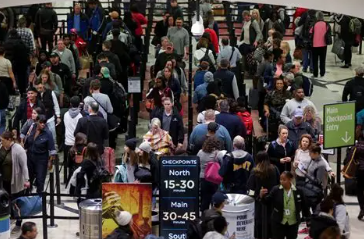
DHS Shutdown Disrupts Airports as TSA Absences Grow and Travelers Face Delays
The ongoing funding lapse at the Department of Homeland Security (DHS) is beginning to disrupt air travel across the United States, with growing absences among Transportation Security Administration (TSA) officers leading to longer lines and delays at airports.
With DHS employees going unpaid during the shutdown, some TSA workers have missed shifts or left their roles entirely, creating staffing shortages at security checkpoints. Travelers have reported frustration as delays and cancellations add to already long wait times.
Funding talks remain stalled
Efforts to restore funding for DHS have stalled in Congress. A recent bill failed to pass in the Senate, extending the shutdown beyond a month.
Democrats have pushed for changes to Immigration and Customs Enforcement (ICE) policies before approving funding, while Republicans have proposed alternative approaches, including splitting funding into separate measures.
Meanwhile, Donald Trump has suggested deploying ICE officers to assist at airports, increasing pressure on lawmakers to reach an agreement.
Financial strain on TSA workers
The lack of pay has created financial stress for TSA employees, which experts say may affect job performance and attendance.
John Pistole, a former TSA administrator, noted that financial pressure can lead to distractions, increased absences, and potential security concerns.
Communities in some areas have organized donation drives to support affected workers with basic needs during the shutdown.
Tips for travelers
Passengers are being advised to plan ahead and allow extra time at airports.
Travelers should:
- Arrive earlier than usual, especially during peak hours
- Check flight updates through airline apps or websites
- Contact airlines directly for rebooking if flights are delayed or canceled
- Request refunds or vouchers where applicable
Experts also suggest avoiding flights with multiple connections, as delays are more likely to disrupt travel plans.
Broader travel impact
The situation is further complicated by rising fuel costs linked to tensions involving Iran, the United States, and Israel.
United Airlines has already announced plans to reduce some flights due to increased fuel expenses, which could also affect ticket prices in the coming months.
Despite these challenges, demand for air travel remains strong, though disruptions may continue until funding issues are resolved.
Follow Dalmar TV on Facebook for the Latest News
