


Russia is reportedly providing Iran with intelligence, satellite imagery, and drone warfare tactics as the Middle East conflict intensifies, raising concerns among Western officials.
How Russia Is Backing Iran in the War With the US
Russia has become one of Iran’s most significant strategic partners since the recent conflict in the Middle East began last month. According to Western officials, Moscow has been providing Tehran with intelligence, satellite imagery, and military advice aimed at strengthening Iran’s operations in the region.
Sources familiar with the matter say Russia has shared battlefield intelligence, including details about U.S. military positions such as warships and aircraft. Officials believe this information has helped Iran carry out highly precise strikes against military infrastructure and defense systems.
Although Russia has not directly deployed troops to the conflict, analysts say its support has been extensive. Intelligence sharing between Moscow and Tehran reportedly began soon after the fighting started and continues today.
Western officials told reporters that Russia’s assistance includes access to advanced surveillance technology capable of tracking naval movements and other targets in real time. Iran has limited satellite reconnaissance capabilities of its own, which means Russian data may significantly enhance Tehran’s targeting accuracy.
Some experts believe this intelligence support explains the increasing precision of Iran’s recent strikes.
Dara Massicot, a specialist in Russian military affairs at the Carnegie Endowment for International Peace, noted that Iran’s attacks appear to be carefully targeted.
She said Iran has been hitting radar systems and command facilities with notable accuracy, suggesting the involvement of advanced intelligence resources.
Russia’s satellite network, which includes sophisticated optical and radar imaging systems, is capable of providing continuous monitoring of military movements. One satellite originally part of Russia’s Kanopus-V system was later transferred for Iranian operational use under the name “Khayyam.”
Analysts say this intelligence pipeline may allow Iran to identify U.S. and Israeli assets with greater precision than it could previously achieve.
In addition to intelligence sharing, Western officials say Russia has also been advising Iran on drone warfare tactics developed during the war in Ukraine.
Iran designed the Shahed drone, but Russia has mass-produced the system and used it extensively in its attacks on Ukrainian cities. Intelligence sources now believe Moscow is helping Iran adapt similar strategies for use in the Middle East.
These tactics include launching large numbers of drones simultaneously and altering their flight paths to overwhelm air defense systems.
Ukrainian President Volodymyr Zelensky recently warned that Russia is increasing its cooperation with Iran in drone and missile technology.
Military analysts say the collaboration could continue to grow. While direct Russian troop involvement appears unlikely, experts believe Moscow may expand technical and intelligence support if it serves its strategic goals.
Keir Giles, a Russian military specialist speaking to media outlets, said Russia may see advantages in assisting Iran if it weakens Western influence in the region.
Meanwhile, Russia has publicly expressed strong political backing for Iran’s leadership.
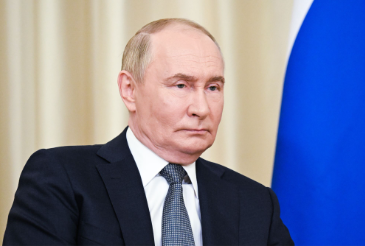
President Vladimir Putin recently pledged what he described as “unwavering support” to Iran’s new supreme leader, Ayatollah Mojtaba Khamenei, who assumed power following the death of his father in U.S. and Israeli strikes.
Putin reaffirmed Russia’s commitment to Tehran, calling the country a reliable partner during a time of conflict.
At the same time, the Kremlin has previously called for an end to the fighting and urged a return to diplomatic negotiations.
The evolving partnership between Russia and Iran highlights the growing geopolitical complexities surrounding the Middle East conflict, raising concerns among Western officials about the potential expansion of the war.
Follow Dalmar TV on Facebook for the Latest News
